
We rely on our feet for a lot. Take care of them with a little help from us.
Learn More About Common Foot and Ankle Problems
-
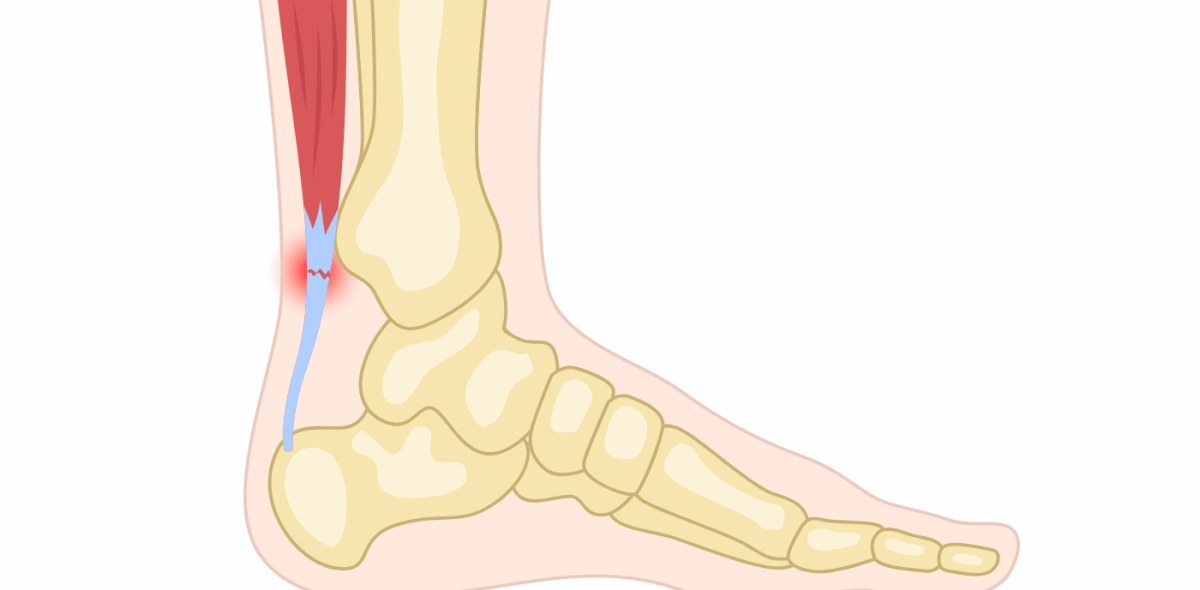
Achilles Tendonitis
Inflammation of the Achilles tendon, which is the strongest tendon in the body. Most of the pain usually occurs on the back of the heel or on the tendon itself just above the heel.
-
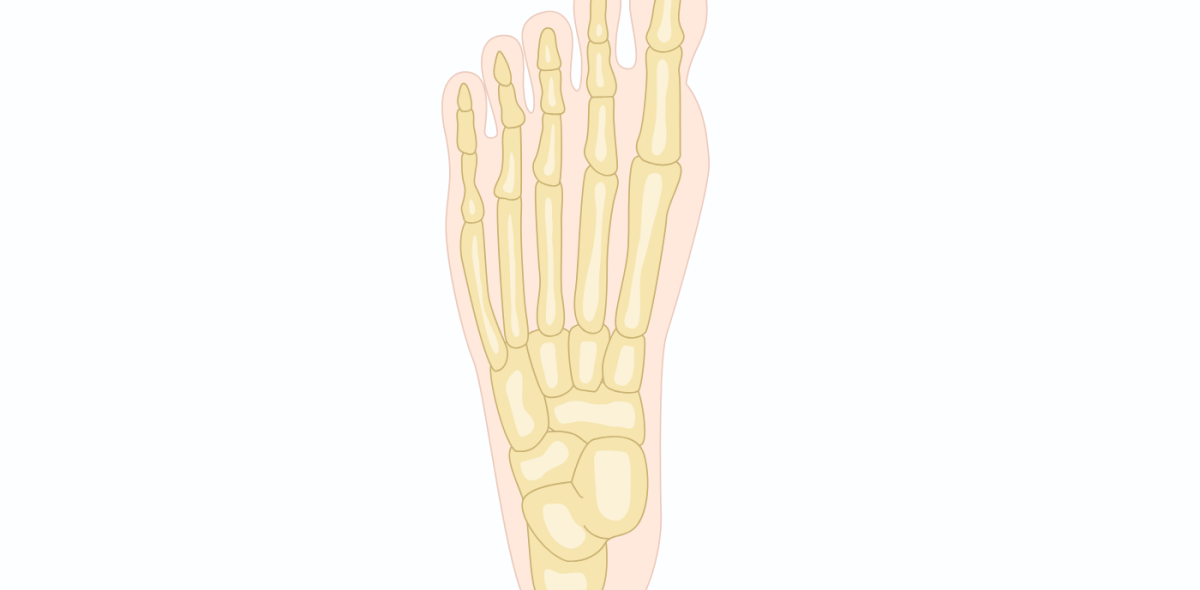
Diabetic Exam
Providers check for the blood flows (AKA pulses), sensation to the feet, and look for any deformities on the foot that can lead to increased pressure and be a potential future ulceration site.
-
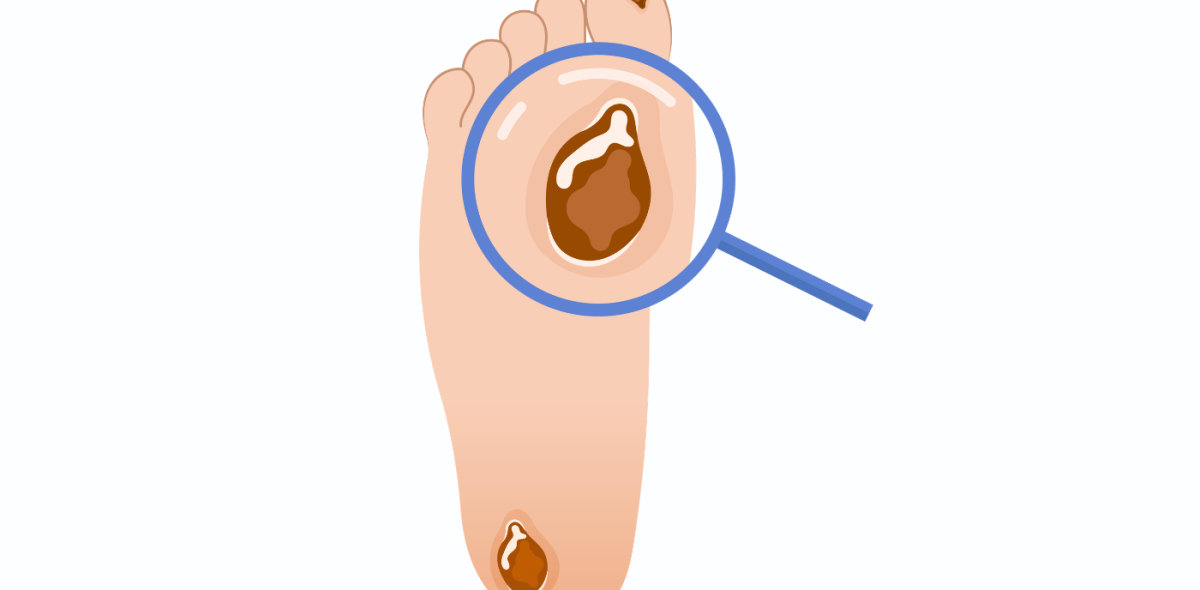
Diabetic Foot/Ankle Ulcer
These are any breakdown or crack of the skin that creates an open wound. These can get infected and lead to amputation of part or the whole foot.
-
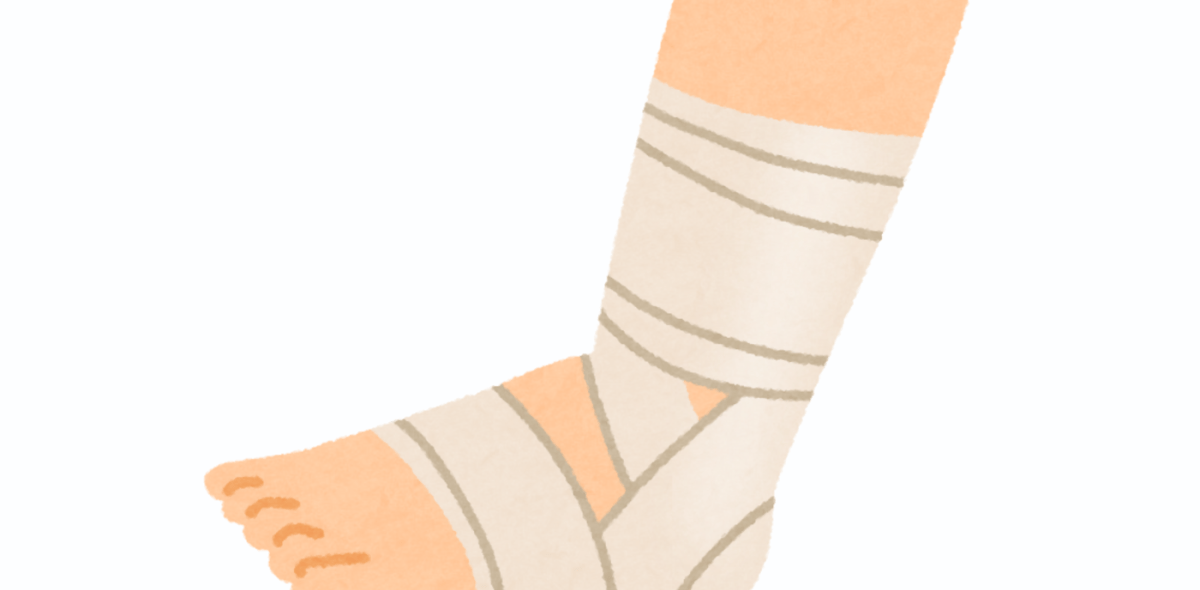
Fracture/Broken Bone
A broken bone is a fracture, but we use the term fracture to define the type of break in the bone. These can occur anywhere in the body and in the foot; there are 26 different bones.
-
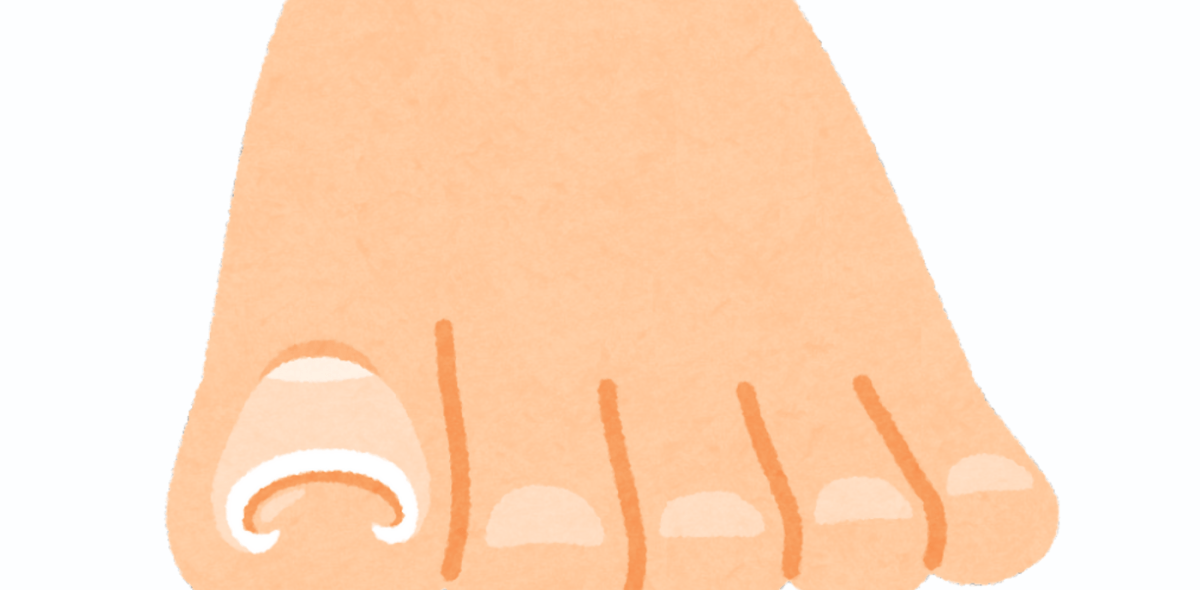
Ingrown Toenail
The nail curves into the skin and can be due to how you walk, the position of your bones, trauma, leaving a piece of nail when trying to cut the nail, and genetics.
-
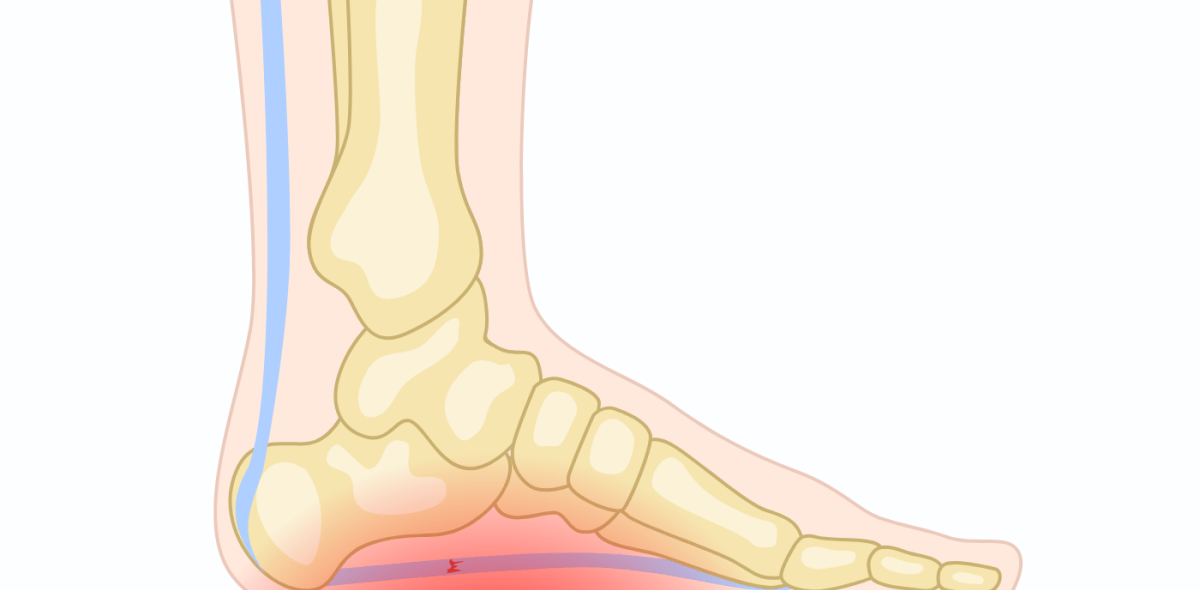
Plantar Fasciitis
Inflammation of the plantar fascia ligament that goes from the heel to the ball of the foot and on each step the ligament pulls from the heel to support the arch of the foot.
-

Wart
A virus that commonly effects the skin to the bottom of the foot but can occur anywhere on the foot.

Diabetes and the Foot
- Diabetic exam: we check for the blood flows (AKA pulses), sensation to the feet, and look for any deformities on the foot that can lead to increased pressure and be a potential future ulceration site. Diabetic Foot Care – Diabetic Foot Damage | Foot Health Facts - Foot Health Facts
- Diabetic Foot/ankle ulcer: These are any breakdown or crack of the skin that creates an open wound. These can get infected and lead to amputation of part or the whole foot. If seen, seek medical attention immediately. Many ulcers are treated in the office locally, but some require advanced care in wound care centers, or even needing surgery to resolve the wound. Diabetes Complications and Amputation Prevention - Foot Health Fact
- Diabetic Foot amputation: Removal of a toe, part of the foot, half the foot, whole foot, part of the leg, and the whole leg. This is in severe infection cases or in severe loss of blood flow. Diabetes Complications and Amputation Prevention - Foot Health Facts
- Diabetic Peripheral Neuropathy: caused by elevated blood sugars shutting down the circulation to the nerves. The nerves go haywire because they are starving for nutrients but cannot them because the high sugars are preventing the blood flow to go to the nerves. This can lead to burning, tingling, and numbness in the foot. This puts patients at greater risk for amputation as well as developing foot deformities which can lead to wounds, infections, and amputations. Diabetic Peripheral Neuropathy - Foot Health Facts
- Peripheral Vascular Disease: This is a wide array of fluid movement issues in the foot and ankle. This includes Peripheral arterial disease, venous insufficiency, and lymph edema
- Peripheral Arterial Disease: This is a disease of the arteries which bring blood flow from the heart down to the feet. The elevated blood sugars in diabetes can cause the water in the arteries to exit out of them, and this can narrow or even shut down the blood supply to the feet. In the office, we check patients' pulses with our hands and can even try to listen to the pulses on a handheld doppler. If there is any issue, this needs to be addressed by a specialist called a vascular surgeon, an interventional cardiologist, or interventional radiologist. Peripheral Arterial Disease (PAD) - Foot Health Facts