Are your dietary supplements safe?
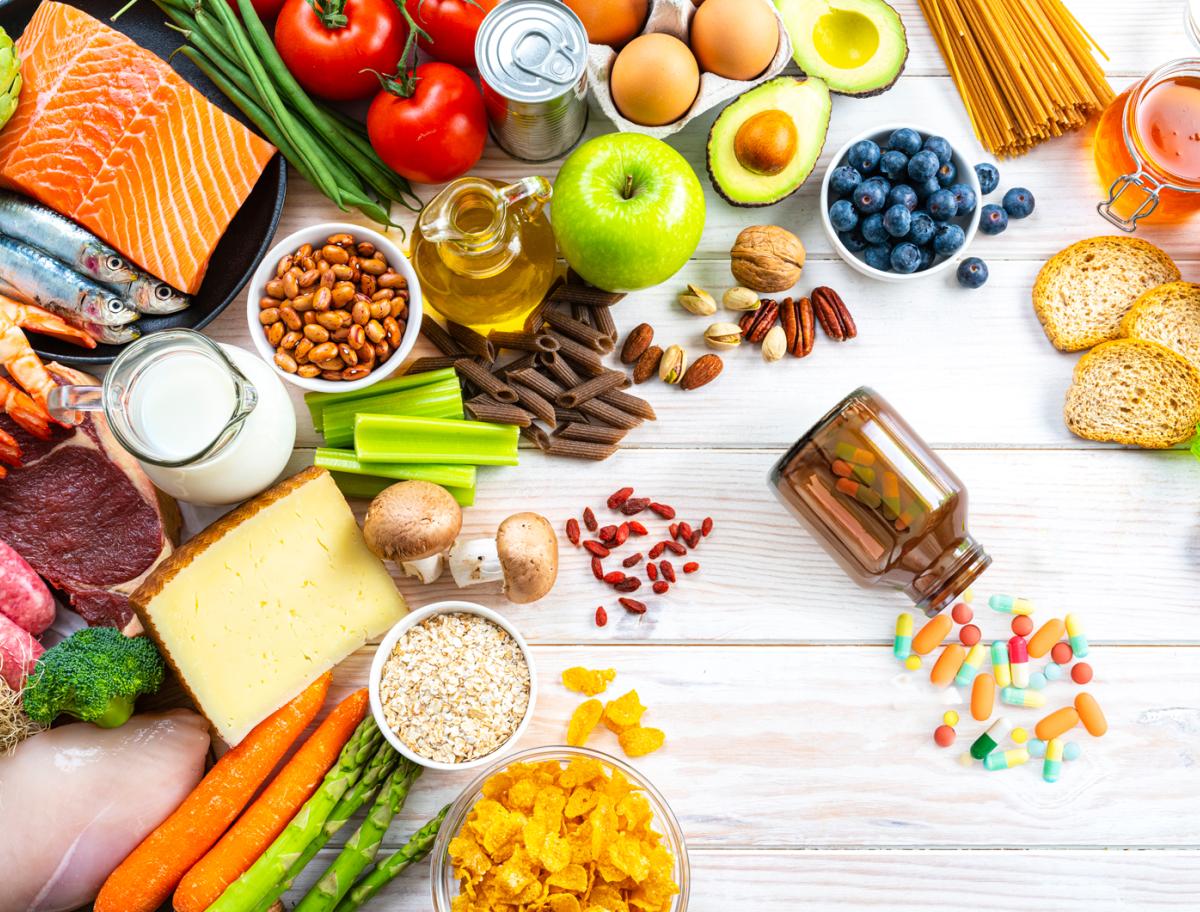
Food is the best way to get the vitamins, minerals, proteins, and fats our bodies need. But many people also use dietary supplements as part of their diet. What do we mean by dietary supplements? Supplements can include things like:
- Vitamins: such as multivitamins or individual vitamins like vitamin D and biotin
- Minerals: such as calcium, magnesium, and iron
- Botanicals or herbs: such as echinacea and ginger
- Botanical compounds: such as caffeine and curcumin
- Amino acids: such as tryptophan and glutamine
- Live microbials: commonly referred to as “probiotics”

Dietary supplements can be a good addition to your healthcare routine. Sometimes, though, the supplements available to us may not be safe for us.
Unlike medicine, dietary supplements are not regulated by the Food and Drug Administration (FDA). So it's important to pick safe supplements. But how do you know if they're safe?
Here are some tips for safe use of supplements. And a tool to check how safe your supplements are.
TIPS FOR SAFE USE
Before taking a dietary supplement, always check with you provider. Some can interact with prescription medications or be harmful if you have certain health conditions or health risks.
Afraid they might tell you not to take it? If your provider suggests you not take it, let your provider know what you're hoping the supplement will help with. They may have another safe solution!
Other tips:
- Take only as directed on the label. Too much of a good thing is just that: too much. Some ingredients and products can damage our bodies when taken in large doses or for too long or with certain medicines.
- Supplements aren't a substitute for eating. Food is the best way to get what our bodies need. Eat variety of proteins, vegetables, fruits, and grains.
- Supplements aren't medicine. They should not be a substitute for your medication.
- "Natural" does not always mean safe. Just because it's from nature, doesn't mean it's good for us. Think: poison ivy, lead, certain mushrooms, raw kidney beans, and more.
- Don't trust the hype. Sound health advice is generally based on a lot of research over time, not a single study, a theory, or a Tik Tok trend.
- Learn to spot false claims. If something sounds too good to be true, it probably is.
CHECK YOUR SUPPLEMENT'S SAFETY
First thing to do is look up your supplement's ingredients on the "Operation Supplement Safety" ingredients look up.
Next, if none of the ingredients in your supplement is on the list, use this safety checklist to check your supplement's safety.